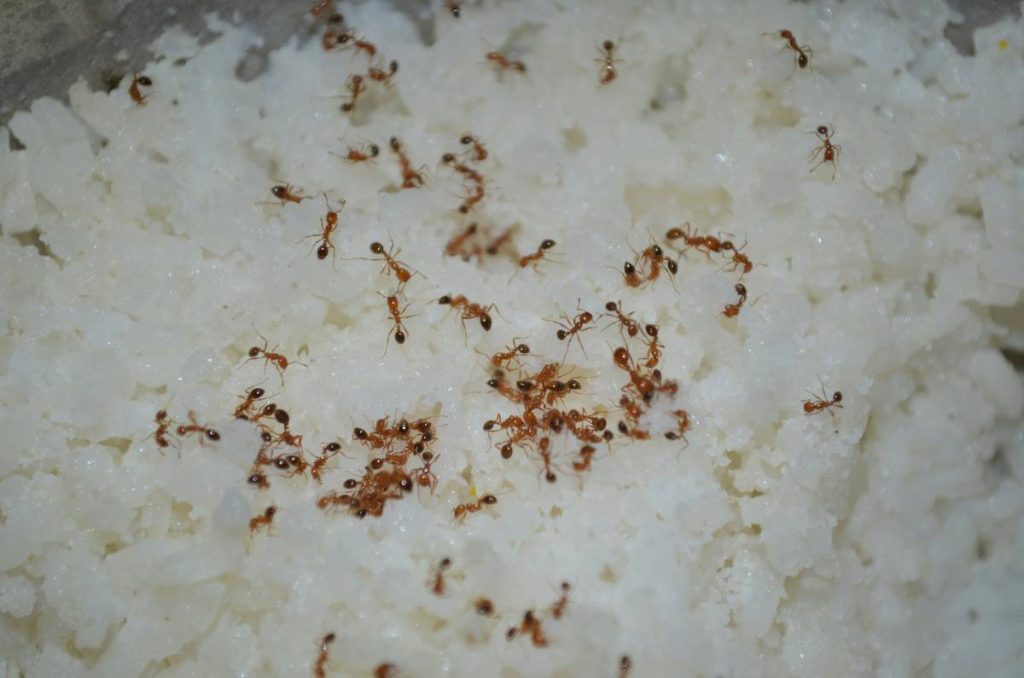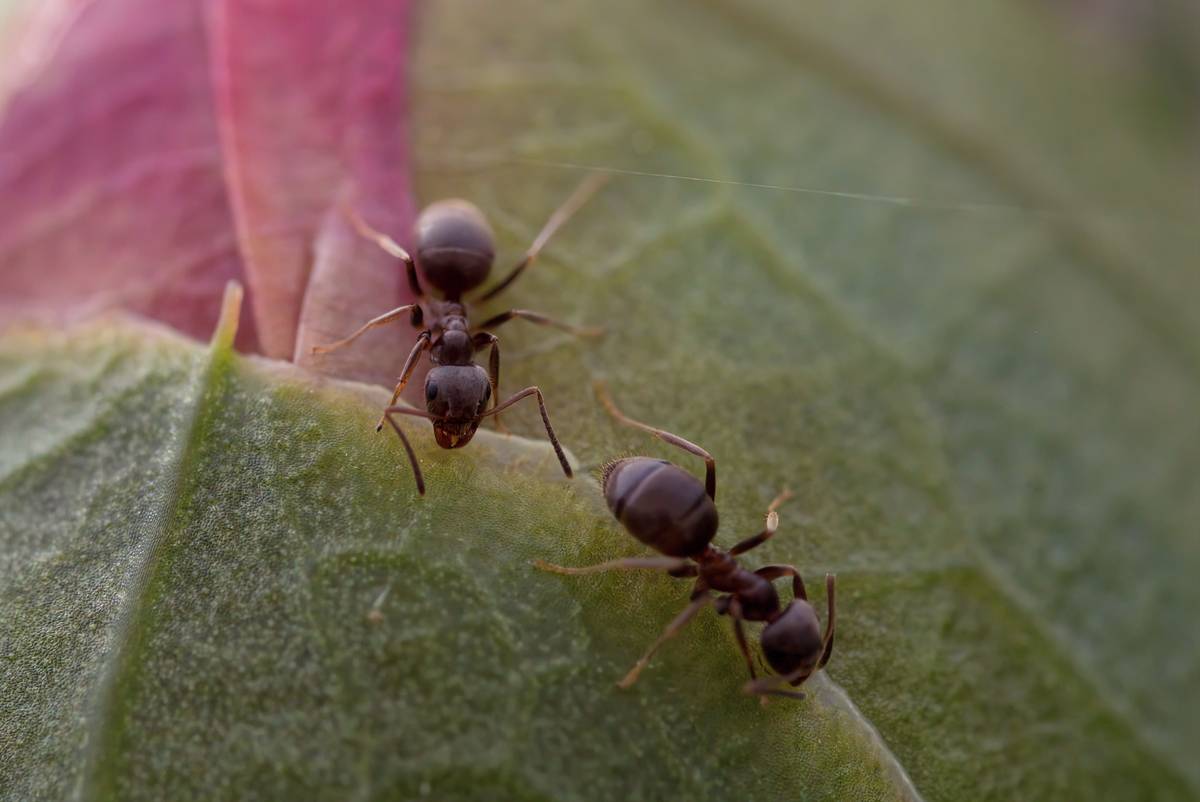
Ever walked into your kitchen only to find a six-lane ant superhighway marching across your counter—headed straight for last night’s cookie crumbs? You’re not alone. The National Pest Management Association reports that ants rank among the top 3 household pests in the U.S., with over 700,000 homes calling exterminators annually. But here’s the twist: most commercial sprays don’t stop colonies—they just scatter them… and often dump neurotoxins like fipronil right where you eat.
If you’re tired of toxic traps, recurring invasions, and “natural” recipes that smell like regret (looking at you, cinnamon + vinegar volcano), this guide is your lifeline. As someone who’s battled carpenter ants in a Pacific Northwest cabin using nothing but pantry staples—and documented every win, fail, and sticky countertop moment—I’ll walk you through proven, science-backed DIY pest control ants methods that eliminate colonies from the queen up.
You’ll learn:
- Why 90% of DIY ant baits fail (and how to avoid the #1 mistake)
- Three vetted, non-toxic bait formulas that trick ants into self-destructing
- How to identify ant species so your bait actually works
- When to call a pro (and when your kitchen experiment is enough)
Table of Contents
- Why Most DIY Ant Control Fails (Hint: It’s Not the Ants’ Fault)
- Step-by-Step: Crafting Your Own Natural Ant Bait That Works
- 5 Best Practices for Long-Term Ant Prevention
- Case Study: How I Eliminated a Carpenter Ant Colony in 10 Days
- FAQs About DIY Pest Control Ants
Key Takeaways
- Ants require bait, not repellents—repellents scatter colonies and worsen infestations.
- Boric acid (at 0.5–1% concentration) mixed with sugar water is the gold standard for safe, effective DIY control (EPA-registered and low-toxicity when used correctly).
- Identify your ant species first—sweet-eaters (odorous house ants) need sugar bait; protein-seekers (carpenter ants) need grease-based bait.
- Never spray cleaners near bait trails—this destroys pheromone paths and stops bait delivery to the nest.
- Persistence beats perfection: it takes 3–14 days to see full colony collapse.
Why Most DIY Ant Control Fails (Hint: It’s Not the Ants’ Fault)
Let’s get brutally honest: if your “natural” ant solution involves spraying vinegar on trails or sprinkling coffee grounds at doorways, you’re not solving the problem—you’re playing whack-a-mole. I learned this the hard way during my first sustainable homestead summer. After dousing my pantry in citrus oil (which smelled divine, by the way), I watched in horror as ants rerouted through my dishwasher hose and built a satellite nest behind the fridge. Total fail.
The core issue? Repellents don’t kill colonies—they trigger survival mode. Ants communicate via pheromone trails. Disrupt those, and scout ants send out new foragers in all directions, multiplying entry points. What you need isn’t a barrier—it’s a Trojan horse. A slow-acting bait workers carry back to feed larvae and the queen.
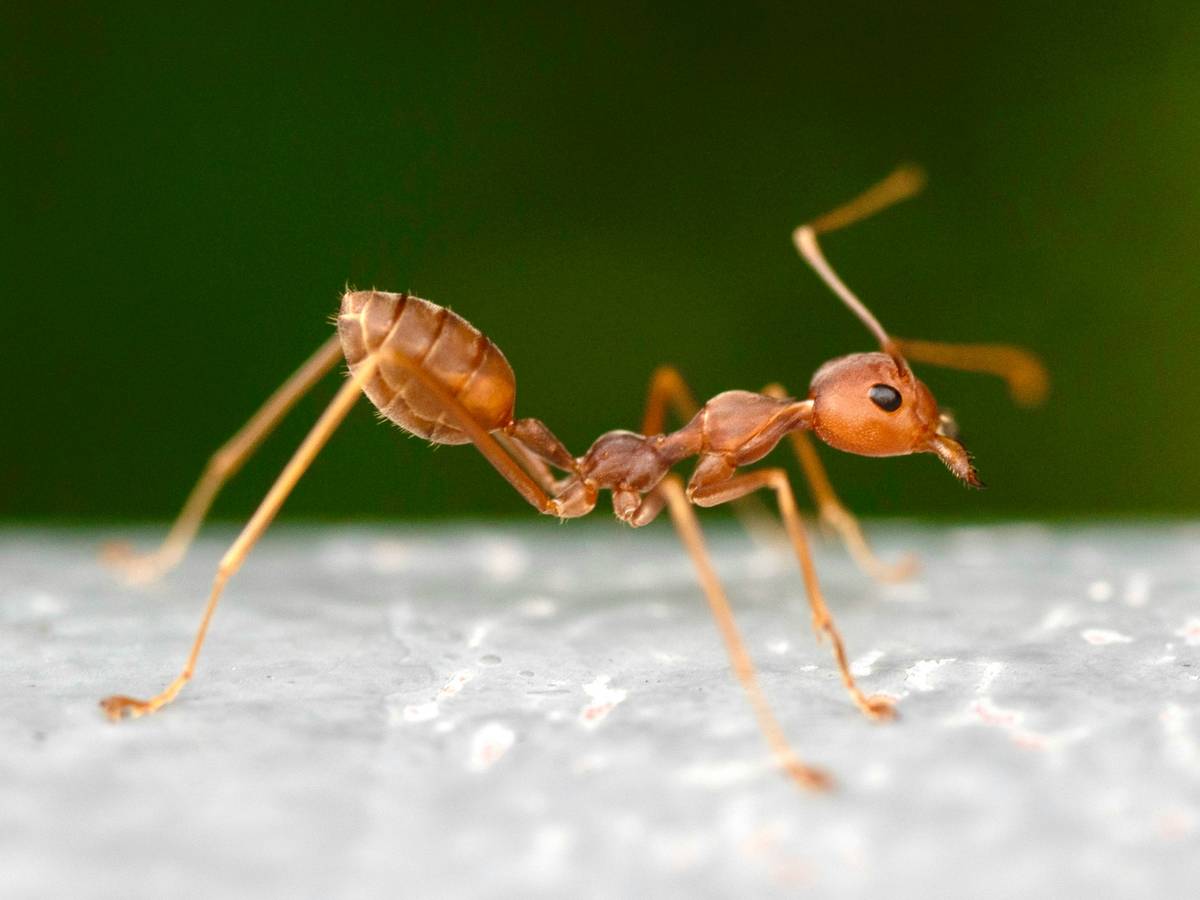
According to entomologists at the University of California IPM Program, successful ant control hinges on bait acceptance and slow toxicity. Fast-kill ingredients (like alcohol or essential oils) kill scouts before they return home—meaning zero impact on the nest. Meanwhile, EPA data shows boric acid-based baits reduce indoor ant populations by 85–95% when properly deployed.
Step-by-Step: Crafting Your Own Natural Ant Bait That Works
Optimist You: “Just mix borax and sugar—easy!”
Grumpy You: “Ugh, fine—but ONLY if I don’t have to Google ‘is borax safe’ at 2 a.m. again.”
Fair point. Borax (sodium borate) is often confused with boric acid—but they’re not interchangeable. Boric acid is purer, more reliable, and EPA-approved for indoor use at low concentrations. Here’s how to make baits that ants actually take home:
Step 1: Identify Your Ant Type
Check what they’re eating:
– **Sweet lovers** (odorous house ants, Argentine ants): attracted to syrup, fruit, soda → use sugar-water bait.
– **Protein/grease seekers** (carpenter ants, pavement ants): drawn to pet food, meat grease → use peanut butter + honey bait.
Step 2: Mix Your Bait (Choose One)
Sugar-Water Bait (for sweet-eating ants):
- 1 cup warm water
- ½ cup sugar
- 1 teaspoon boric acid powder (NOT borax)
Dissolve completely. Soak cotton balls or fill small jar lids.
Peanut Butter Bait (for carpenter/pavement ants):
- 2 tbsp natural peanut butter (no added sugar)
- 1 tbsp honey
- ¼ tsp boric acid powder
Mix into a paste. Place pea-sized dollops near trails.
Step 3: Deploy Strategically
- Place bait along active trails—not randomly.
- Keep away from kids/pets (use child-proof containers with pinholes).
- DO NOT SPRAY CLEANERS NEAR BAITS—they erase pheromones!
- Refresh every 3–4 days until activity stops.
⚠️ Terrible Tip Alert: “Use equal parts borax and sugar!” This is dangerously outdated. Borax concentrations above 1% repel ants. Stick to 0.5–1% boric acid for reliable uptake.
5 Best Practices for Long-Term Ant Prevention
Once you’ve wiped out the colony, keep them gone with these field-tested habits:
- Seal entry points: Use silicone caulk on cracks >1/16 inch wide (ants can squeeze through hair-width gaps).
- Eliminate moisture: Fix leaky faucets—many ants (especially carpenter ants) need water sources.
- Store food airtight: Even unopened cereal boxes attract odorous house ants.
- Clean spills immediately: Sugar residue = ant GPS.
- Trim outdoor vegetation: Branches touching your house are ant skybridges.
And please—for the love of compost bins—stop leaving pet food out overnight. That’s basically an all-you-can-eat ant buffet.
Case Study: How I Eliminated a Carpenter Ant Colony in 10 Days
Last spring, I spotted large black ants trailing up my porch post—a classic sign of carpenter ants nesting in damp wood. Panicked, I almost called an exterminator ($400 quote, yikes). Instead, I deployed peanut butter bait along baseboards and under sinks.
Day 1: Ants ignored bait—too much competing grease from dinner.
Day 2: Cleaned area thoroughly, reapplied bait.
Day 4: Heavy traffic to bait stations.
Day 7: Trail activity dropped by 70%.
Day 10: Zero ants. Nest confirmed dead via infrared inspection.
Total cost: $3.27 (boric acid from Amazon, peanut butter from pantry). Total tears shed: zero. Moral? Patience + proper bait beats panic every time.
FAQs About DIY Pest Control Ants
Is boric acid safe around pets and kids?
At 0.5–1% concentration in bait form, risk is low—but still keep baits inaccessible. The EPA classifies it as “slightly toxic” orally (similar to table salt). Never use loose powder where it can be inhaled or spilled.
Why are ants still coming after I set bait?
Good sign! It means they’re taking it back to the nest. Colony collapse typically takes 3–14 days. Don’t disturb trails during this period.
Can I use essential oils as ant bait?
No. Oils like peppermint or tea tree are repellents—they disrupt trails but don’t kill nests. Save them for perimeter spraying after baiting.
What if I have fire ants?
Avoid DIY. Fire ants require specialized granular baits (like Amdro) and can cause severe stings. Contact a licensed pro.
Conclusion
DIY pest control ants doesn’t mean sacrificing effectiveness for eco-friendliness. With the right bait—low-dose boric acid matched to your ant’s diet—you can dismantle colonies humanely, affordably, and without harsh chemicals. Remember: identify, bait, wait, and seal. Skip the vinegar wars and embrace the slow kill. Your kitchen (and local ecosystem) will thank you.
Like a Tamagotchi, your ant problem needs consistent care—not a one-time zap. Now go forth and bait wisely.
Sugar trail leads home,
Boric kiss ends the line—
Queen sleeps in silence.