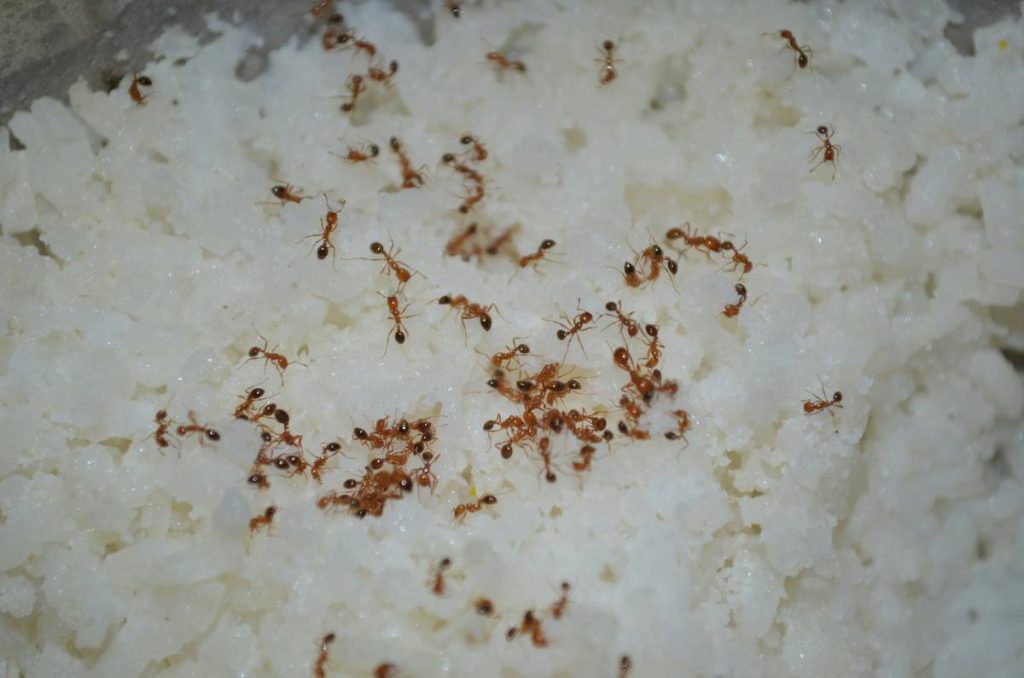
You spot a line of ants snaking across your kitchen counter—again. You spray, wipe, and scrub. They’re back by tomorrow. Conventional ant killers promise instant results but leave behind toxic residues that linger longer than the pests themselves. Here’s a better way: ant treatment tips rooted in ecology, not chemicals.
Why Store-Bought Ant Sprays Keep Failing You
Most commercial ant sprays kill only the workers you see—not the queen hidden deep in walls or soil. And because they’re repellent-based, surviving ants reroute, spreading infestations to new areas. Worse, repeated exposure builds resistance. Think about it: if a spray worked long-term, you wouldn’t need to buy it monthly.
And these products often contain pyrethroids—neurotoxins linked to indoor air quality issues and pet sensitivities. The illusion of control costs more than money. It trades short-term visibility for long-term vulnerability.
Step-by-Step Natural Ant Bait Protocol
Forget eradication. Aim for colony collapse through strategic baiting. Ants communicate via pheromone trails and trophallaxis—the mouth-to-mouth sharing of food. Exploit that.
Select the Right Bait Base
Sweet baits (honey, sugar water) attract carbohydrate-seeking species like Argentine or odorous house ants. Protein/fat baits (peanut butter, grease) work better for carpenter or fire ants during brood-rearing season—typically spring through early fall. Observe first. Guessing wastes time.
Mix With a Slow-Acting Toxin
Boric acid is your best ally—low toxicity to mammals, lethal to insects at 0.5–1% concentration. Mix 1 teaspoon boric acid into 6 tablespoons of your chosen bait base. Too strong? Ants die before returning to the nest. Too weak? No effect. Precision matters.
Deploy Strategically—Not Aggressively
Place pea-sized bait dots near trails—but not directly on them. Ants avoid unfamiliar objects blocking their path. Use bottle caps or foil squares as platforms. Replenish every 2–3 days. Patience beats panic.
| Bait Type | Best For | Active Ingredient | Time to Colony Impact | Cost per Application |
|---|---|---|---|---|
| Honey + Boric Acid | Argentine, Odorous House Ants | 0.75% boric acid | 5–10 days | $0.12 |
| Peanut Butter + Boric Acid | Carpenter, Fire Ants | 1% boric acid | 7–14 days | $0.18 |
| Vinegar Spray (Repellent Only) | Temporary trail disruption | None (non-toxic deterrent) | Hours | $0.05 |
The Industry Secret: Ants Are Farming Aphids—Not Just Invading
Here’s what pest control companies won’t tell you: indoor ant activity often stems from outdoor aphid colonies on your garden plants. Ants “farm” aphids for honeydew—a sugary excretion—and defend them fiercely. Eliminate the aphids, and the ant trail dries up naturally. Spray affected plants with soapy water or introduce ladybugs. Suddenly, your ant treatment tips aren’t just reactive—they’re preventive. The math is simple: no crop, no harvest, no delivery route indoors.
Frequently Asked Questions
How long do natural ant baits take to work?
Typically 5–14 days. Unlike sprays, baits rely on worker ants carrying toxin back to the nest—so speed isn’t the goal; thoroughness is.
Is boric acid safe around pets and kids?
Yes—at low concentrations and when placed out of reach. Never scatter powder openly. Use contained bait stations or elevated placements.
Why are ants ignoring my bait?
Wrong bait type, over-concentrated toxin, or competing food sources. Clean kitchen surfaces thoroughly and match bait to ant behavior observed.