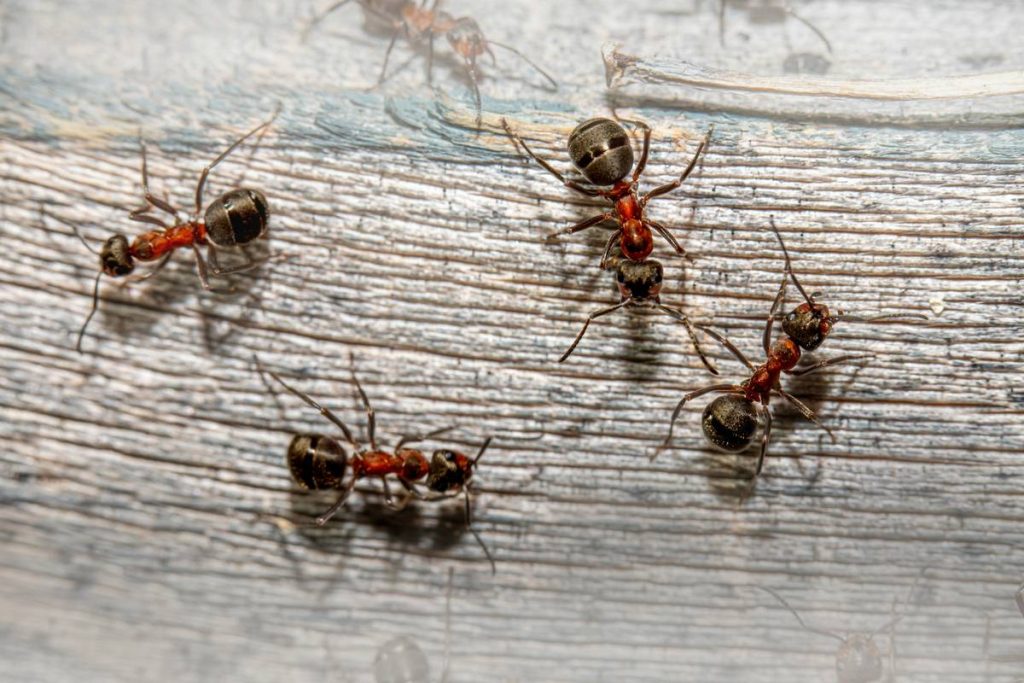
Ants invade. You spot a trail—then dozens. Panic sets in. Store-bought sprays kill a few, but the colony laughs from behind your walls. Worse? Many “eco-friendly” hacks do nothing but waste vinegar and time. The truth? Most ant control fails because it treats symptoms, not strategy. Here’s how to outthink them—for good.
Why Typical Ant Traps Backfire (And Feed the Problem)
Most homeowners grab repellents—peppermint oil, lemon juice, diatomaceous earth—and spray like mad. It smells fresh. Feels proactive. But it solves nothing. Why? Because repellents scatter foragers without touching the queen or brood. The colony reroutes, multiplies, and returns stronger. And chemical baits? They often contain slow-acting toxins that ants detect and avoid after one casualty. The result: chronic infestations masked as “seasonal flare-ups.”
Think about it: If you poison the workers outside, the nest just seals its entrance and waits. Meanwhile, your kitchen remains a five-star buffet.
Effective Ant Control Methods: A Step-by-Step Tactical Plan
Real control hinges on baiting—not repelling. Your goal: lure scouts with irresistible bait laced with delayed-action toxin. They carry it back. The queen eats it. Colony collapse follows in days. Not weeks.
Selecting the Right Natural Bait Base
Sugar-based baits work best for odorous house ants and Argentine ants (the usual suspects indoors). Protein or grease baits attract carpenter ants or pavement ants—common near garages or decks. Test both if unsure. Mix with boric acid or food-grade diatomaceous earth (DE) at precise ratios: too much kills too fast; too little does nothing.
Strategic Placement Beats Volume
Don’t dump bait where you see ants. Place it along their trail but away from nests and competing food sources. Scouts must choose your bait over crumbs on the counter. Clean surfaces first. Then position tiny drops (pea-sized) near entry points—window sills, baseboards, under sinks.
Patience Is Non-Negotiable
This isn’t instant gratification. Expect 3–7 days of increased ant traffic before decline begins. Don’t spray. Don’t wipe. Let them harvest death quietly. Disturbing trails resets the clock.
| Bait Type | Best For Ant Species | Active Ingredient | Time to Eliminate Colony | Cost (DIY) |
|---|---|---|---|---|
| Sugar + Boric Acid | Odorous House, Argentine | 0.5–1% boric acid | 5–10 days | $0.20 per application |
| Honey + Food-Grade DE | Carpenter, Pavement | Fine silica particles | 7–14 days | $0.50 per application |
| Peanut Butter + Borax | Fire Ants (outdoor) | 1% borax | 10–21 days | $0.30 per mound |
The Pest Control Industry Doesn’t Want You to Know This
Here’s the reality: Commercial bait gels work—sometimes. But they cost $8–$15 per tiny tube and degrade in heat or humidity. And most contain undisclosed synergists that boost toxicity but rarely appear on labels. The secret pros use? Homemade baits with calibrated toxin loads. By controlling concentration yourself, you bypass resistance mechanisms ants evolve against standardized formulas. One study found colonies exposed to consistent commercial baits developed avoidance behavior within 3 generations. DIY? Far less predictable—and thus far more lethal.
And yes—it’s legal, safe, and vastly cheaper. Just keep it away from pets and kids (as you would with any household chemical).
Frequently Asked Questions About Natural Ant Elimination
Can vinegar really kill an ant colony?
No. Vinegar repels surface ants temporarily but doesn’t reach or affect the nest. It’s a short-term mask, not a solution.
How long does natural ant bait take to work?
Typically 5–14 days. Initial ant activity may increase as they recruit nestmates. Do not interfere during this phase.
Is boric acid safe for use around children?
Only if placed in inaccessible bait stations. Never leave loose powder or open mixtures where kids or pets can contact it.