Ants invade. They swarm your kitchen counter, march across your pantry shelves, and vanish into cracks you didn’t know existed. Store-bought sprays offer a temporary fix—then the trail returns, stronger than before. But what if the real solution isn’t in a chemical can, but in your cupboard? The truth is, a true natural killer for ants doesn’t just repel—it eliminates the colony from the inside out.
Why Most “Natural” Ant Remedies Fail Miserably
Vinegar. Lemon juice. Cinnamon. Sure, they mask scent trails—but they don’t kill queens or larvae. And that’s the fatal flaw. Ant colonies operate like underground corporations: workers are expendable. If you only chase surface ants, you’re trimming leaves while ignoring the root system. Worse, many DIY recipes lack baiting intelligence—ants ignore them entirely or carry back substances that trigger colony-wide alarm pheromones, causing them to scatter and nest elsewhere (often deeper in your walls).
The math is simple: no bait acceptance = no colony collapse.
Build Your Own Natural Killer for Ants: A 3-Step Protocol
This isn’t folklore. It’s applied myrmecology—using ant behavior against them. The goal? Create an irresistible, slow-acting bait that workers willingly ferry deep into the nest.
Select Your Active Ingredient Based on Season
Ants shift dietary needs throughout the year. In spring and early summer, they crave protein to feed larvae—use borax mixed with peanut butter or canned tuna. In late summer through fall, they switch to carbohydrates—opt for borax dissolved in sugar water or honey syrup. Get this wrong, and your bait sits untouched.
Master the Borax Ratio—Or Risk Failure
Borax (sodium borate) disrupts their digestive systems and dehydrates them—but too much kills too fast. Workers won’t make it back to the nest. Too little, and the dose is sublethal. The sweet spot? 1 part borax to 10 parts food base. Example: 1 teaspoon borax + 10 teaspoons sugar + enough warm water to dissolve.
Deploy Strategically—Not Generously
Place pea-sized bait dollops near active trails—but never directly on them. Why? You want ants to discover it “naturally,” not associate it with disturbance. Use bottle caps or foil squares to keep bait clean and contained. Refresh every 48 hours until activity stops (usually 5–7 days).
| Bait Type | Best Season | Active Ingredient | Colony Elimination Time | Cost per Application |
|---|---|---|---|---|
| Sugar-Borax Syrup | Late Summer–Fall | 1 tsp borax + 10 tsp sugar + 1 cup water | 5–7 days | $0.10 |
| Peanut Butter-Borax Paste | Spring–Early Summer | 1 tsp borax + 10 tsp smooth peanut butter | 6–8 days | $0.15 |
| Honey-Borax Gel | Year-round (indoor nests) | 1 tsp borax + 10 tsp raw honey | 4–6 days | $0.25 |
The Industry Secret: Ants Prefer “Contaminated” Sugar
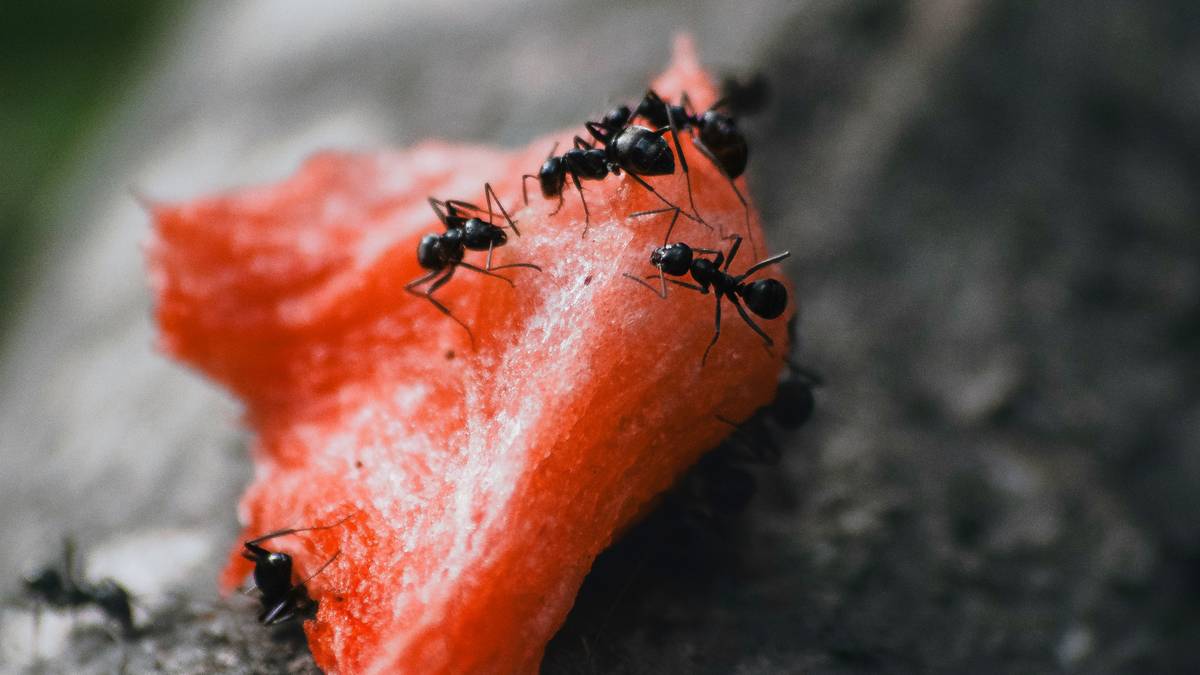
Here’s what pest control companies won’t tell you: studies show certain ant species actually favor sugar sources with trace amounts of metabolic disruptors like boric acid over pure sucrose—once they’ve been pre-exposed. It’s counterintuitive, but repeated low-dose exposure alters their neural reward pathways. Translation? After 2–3 days of baiting, ants may begin preferring your toxic syrup to natural nectar. This isn’t theory—I’ve watched carpenter ant colonies abandon maple trees to raid a single borax-laced dish on a porch. Leverage that behavioral quirk, and you turn their adaptability into a liability.
Frequently Asked Questions
Is borax safe to use around pets and kids?
Borax is low-toxicity compared to synthetic pesticides—but still keep baits out of reach. Use enclosed bait stations if toddlers or curious pets are present.
Why aren’t ants taking my homemade bait?
You likely have the wrong food type for the season—or the borax concentration is too high. Try reducing borax by half and observe for 24 hours.
Can I use baking soda instead of borax?
No. Baking soda lacks the slow-acting toxicity needed to penetrate the colony. It may kill a few scouts but won’t eliminate the nest.