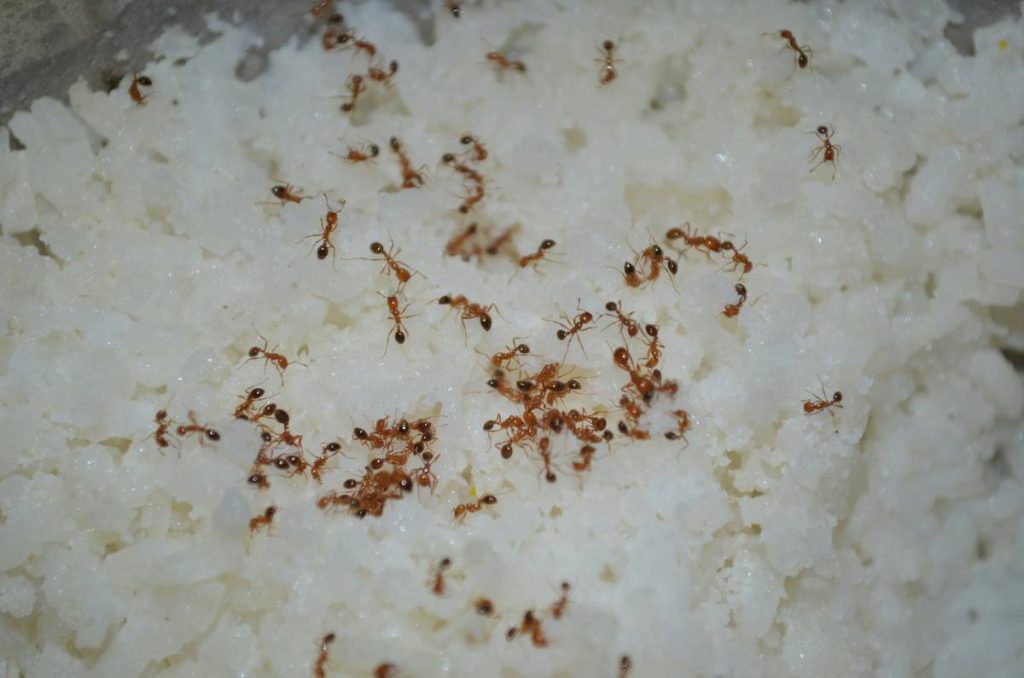
Ants invade silently—by the time you spot one, hundreds are already marching through your kitchen walls. Chemical sprays might vanish them briefly, but they return stronger, resistant, and dragging their whole colony deeper into your baseboards. The real solution? Starve them out with bait they’ll carry back willingly—and eliminate the queen.
Why Store-Bought Sprays Fail (And Make It Worse)
Most homeowners grab a can of aerosol poison the second they see ants. Big mistake. These repellents kill only the scouts—workers you see—but miss the nest entirely. Worse: the colony senses danger and splits, creating satellite nests in hidden voids behind drywall or under flooring.
You’ve just turned one ant problem into three.
Natural ant bait works differently. It’s not about repelling—it’s about deception. You offer food laced with slow-acting toxins that mimic sugar or grease. Workers haul it home, feed it to larvae and the queen, and collapse the entire hierarchy from within.
How to Control Ants Using Homemade Natural Bait
Timing, placement, and formulation matter more than you think. Here’s the field-tested protocol I’ve used with clients across humid coastal zones and arid desert homes.
Identify the Ant Type First
Sugar ants crave syrupy baits; grease ants prefer protein or fat-based mixes. Watch what they’re carrying. If they swarm spilled soda, go sweet. If they’re near pet food or grease traps, lean savory. Misidentifying this = wasted effort.
Build the Right Bait Mix
A 50/50 blend of borax and powdered sugar works for sweet-feeding species. For protein seekers, mix 1 teaspoon boric acid with 2 tablespoons peanut butter and a drop of honey. Never exceed 1% toxin concentration—higher doses kill workers before they reach the nest.
Strategic Placement Beats Quantity
Don’t scatter bait everywhere. Place pea-sized drops directly on trails—especially near entry points like window sills, pipe gaps, or cracks under cabinets. Replace every 3 days until traffic stops completely.
| Bait Type | Best For | Toxin Used | Time to Eliminate Colony | Cost per Treatment |
|---|---|---|---|---|
| Sweet Gel Bait | Odorous house ants, Argentine ants | Borax (0.5–1%) | 5–10 days | $0.30 |
| Protein Paste | Carpenter ants, pavement ants | Boric acid (0.8%) | 7–14 days | $0.45 |
| Commercial Liquid Bait | Mixed infestations | Abamectin or indoxacarb | 3–7 days | $4.00+ |
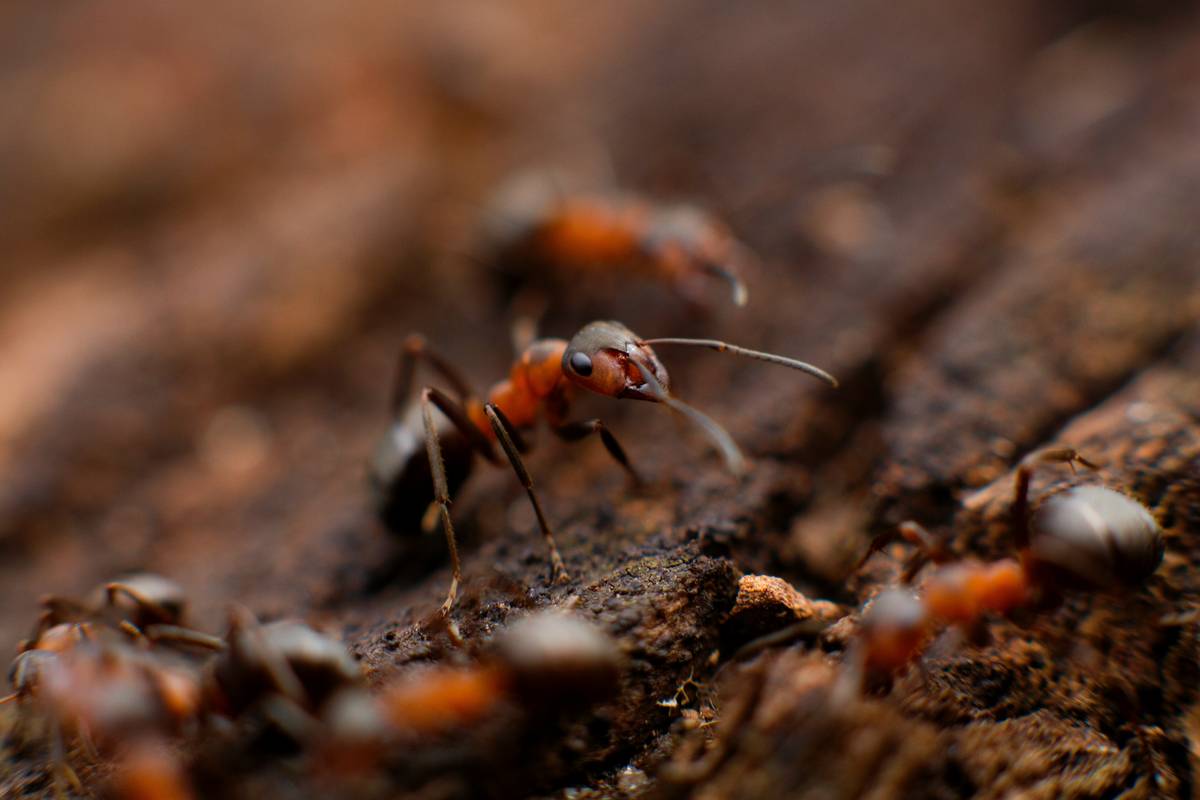
The Industry Secret: Ants Communicate Through Scent—Disrupt It Intentionally
Here’s what exterminators won’t tell you: wiping trails with vinegar or soap doesn’t “clean”—it erases pheromone highways. But if you erase them too early, scouts can’t find your bait. Wait until bait is actively being harvested. Then—and only then—disrupt secondary trails with a 1:1 vinegar-water spray to funnel remaining workers toward your stations.
And never clean near bait points. Let the scent linger. That trail is your delivery route into the nest.
Frequently Asked Questions
Does vinegar kill ants instantly?
No. Vinegar repels and masks scent trails but doesn’t eliminate colonies. Use it strategically—not as a standalone solution.
How long does natural ant bait take to work?
Visible reduction in 2–3 days. Full colony collapse typically takes 7–14 days, depending on nest size and bait acceptance.
Is borax safe around pets and kids?
Only if used in tiny, inaccessible amounts. Place bait inside sealed containers with pinholes or under appliances—never in open dishes.