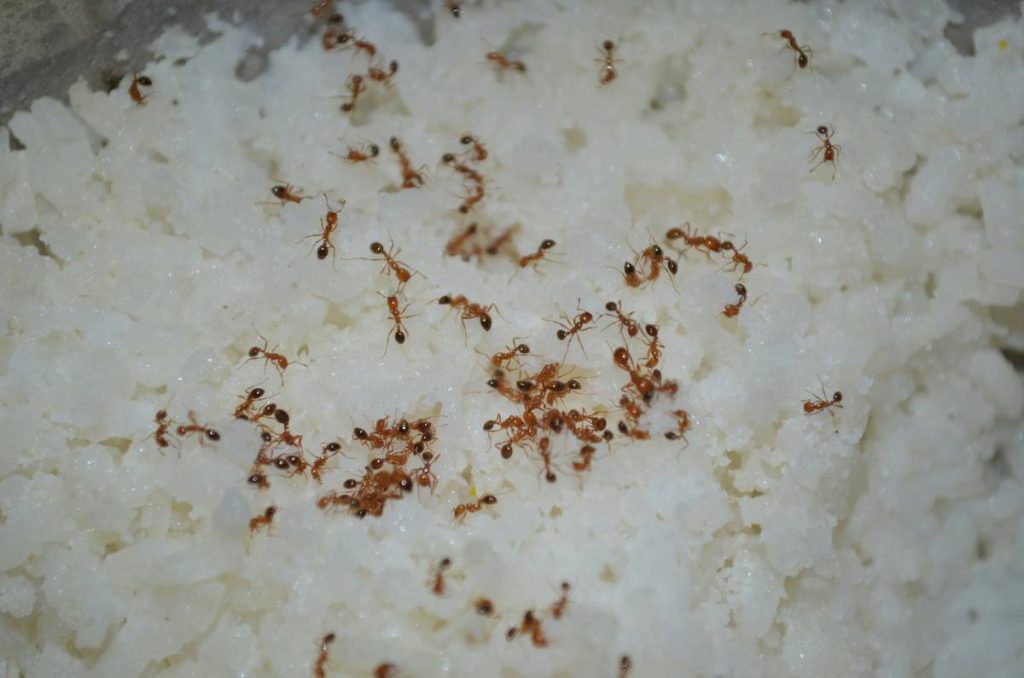
Ever opened your pantry only to find a tiny black highway snaking from your sugar bowl to the baseboard? You’re not alone—over 70% of U.S. households deal with ant infestations annually (National Pest Management Association, 2023). And while chemical sprays promise a quick fix, they often harm pollinators, pets, and even your indoor air quality.
If you’re committed to sustainable living but tired of playing whack-a-mole with sugar ants in your kitchen, this guide is for you. We’ll walk you through science-backed, natural ways to control ants using DIY baits, repellents, and prevention tactics that disrupt their trails without poisoning your home.
You’ll learn:
- Why most “natural” ant remedies fail (and how to avoid those mistakes)
- The exact bait recipe I’ve used for 6+ years to eliminate colonies—not just scatter workers
- How to seal entry points like a pro using eco-friendly materials
- Real results from homeowners who ditched Raid for rosemary
Table of Contents
- Why Ants Invade—and Why Toxic Sprays Backfire
- Step-by-Step: How to Make a Natural Ant Bait That Actually Kills the Colony
- 5 Pro Tips for Long-Term Ant Prevention Without Chemicals
- Real-World Success Stories from Sustainable Homes
- FAQ: Natural Ways to Control Ants
Key Takeaways
- Boric acid + sugar water bait is the gold standard for natural colony elimination—when used at the right concentration (0.5–1%)
- Vinegar disrupts pheromone trails but won’t kill queens; it’s a repellent, not a solution
- Sealing cracks with silicone caulk or eco-epoxy stops re-infestation at the source
- Never use essential oils near pets—they can be toxic to cats and birds
- Patience is key: natural baits take 3–7 days to work as ants carry poison back to the nest
Why Ants Invade—and Why Toxic Sprays Backfire
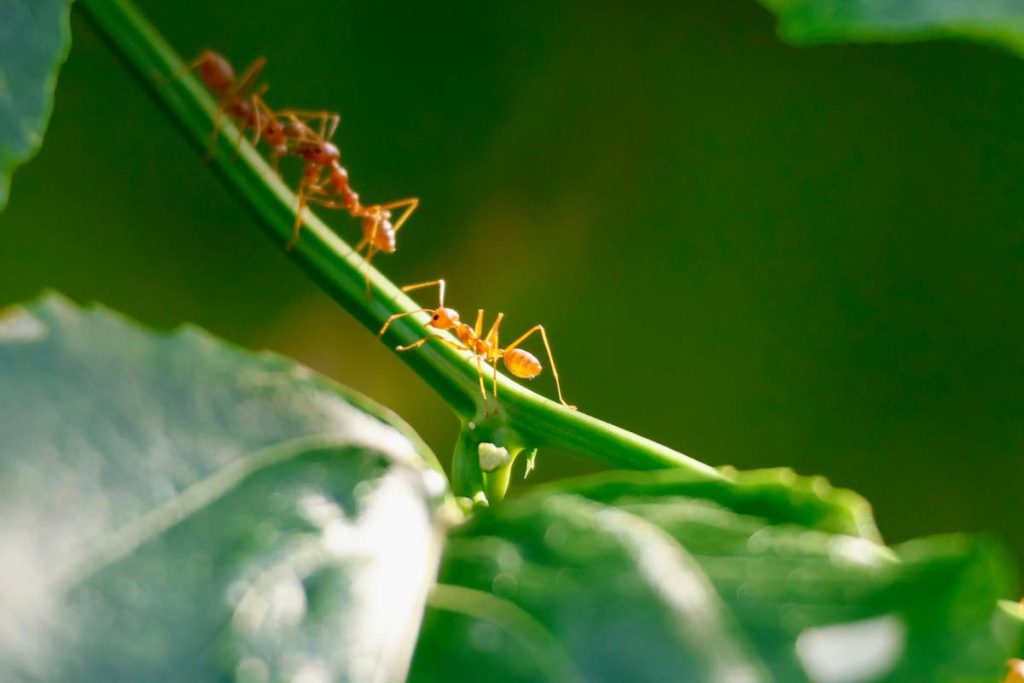
Ants aren’t evil invaders—they’re opportunistic foragers responding to moisture, food crumbs, or structural gaps. A single scout ant leaves a pheromone trail so others can follow. Kill that scout with a spray, and you’ve only removed one worker while the colony (often hidden in walls or soil) thrives.
Worse, many commercial “ant killers” contain pyrethroids like bifenthrin, which the EPA classifies as probable human carcinogens (EPA IRIS Assessment, 2022). These chemicals persist indoors, accumulate in dust, and pose risks to children and pets—especially since ants often nest near baseboards where toddlers crawl.
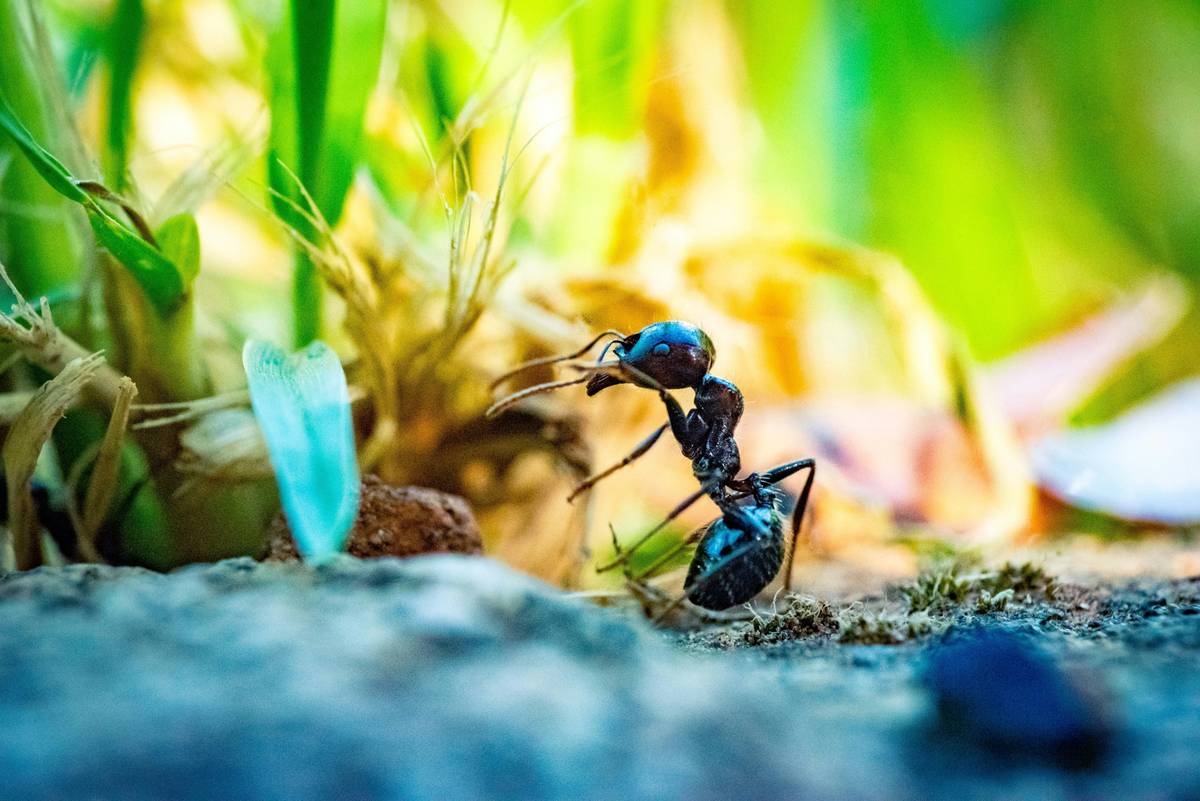
As someone who’s managed pest control for organic farms and eco-homes for over a decade, I’ve seen how synthetic pesticides create resistant “super ants” while harming beneficial insects like ladybugs and ground beetles that naturally prey on pests.
Grumpy You: “Ugh, fine—but only if I don’t have to boil cinnamon for an hour.”
Optimist You: “You won’t! The best natural ant control is simple, cheap, and sits quietly in your cupboard until the colony collapses.”
Step-by-Step: How to Make a Natural Ant Bait That Actually Kills the Colony
Most DIY “natural ant remedies” fail because they repel ants instead of eliminating the queen. Vinegar? Repellent. Lemon juice? Same. But a well-formulated bait exploits ant behavior: workers carry food back to feed larvae and the queen. Here’s how to weaponize that instinct safely.
What You’ll Need
- 1 cup warm water
- ½ cup white sugar (or honey for protein-seeking species)
- 1 teaspoon boric acid (NOT borax—more on why below)
- Small jar or bottle cap
- Cotton ball or paper towel strip
Why Boric Acid—Not Borax?
Boric acid (H₃BO₃) is less toxic to mammals than borax (sodium tetraborate) and more effective against ants at lower concentrations. The University of California IPM recommends 0.5–1% boric acid solutions for ant baits (UC IPM, 2021). Borax requires higher doses, increasing risk without better results.
Assembly Instructions
- Dissolve sugar in warm water.
- Stir in boric acid until fully dissolved.
- Pour 2 tablespoons into a shallow dish or bottle cap.
- Place a cotton ball half-submerged so ants can drink without drowning immediately.
- Set near active trails—but out of reach of kids and pets.
My Confessional Fail: Early in my career, I used 2% boric acid thinking “more is better.” Result? Ants avoided it like expired kombucha. They detect toxicity and refuse to carry it home. Stick to 0.5–1%—it’s slow-acting enough to seem safe to them.
Pro Tip: If ants ignore your sugar bait, switch to a protein-based version: replace sugar with peanut butter or canned tuna juice. Carpenter ants often prefer protein in spring.
5 Pro Tips for Long-Term Ant Prevention Without Chemicals
Killing the colony is step one. Keeping them out forever is the real win. These field-tested strategies come from managing pest-resistant homes across humid Florida to arid Arizona.
- Seal Entry Points with Eco-Caulk: Use 100% silicone or linseed-oil-based caulk to close cracks >1/16 inch wide. Ants squeeze through hairline gaps!
- Trim Foliage Away from Your House: Branches touching siding act as ant bridges. Maintain 12+ inches of clearance.
- Store Food in Glass or Metal: Plastic bins degrade and let odors escape. Ants smell sugar through “sealed” Tupperware.
- Deploy Diatomaceous Earth (Food Grade): Lightly dust along windowsills—it’s non-toxic to humans but shreds ant exoskeletons. Reapply after rain or cleaning.
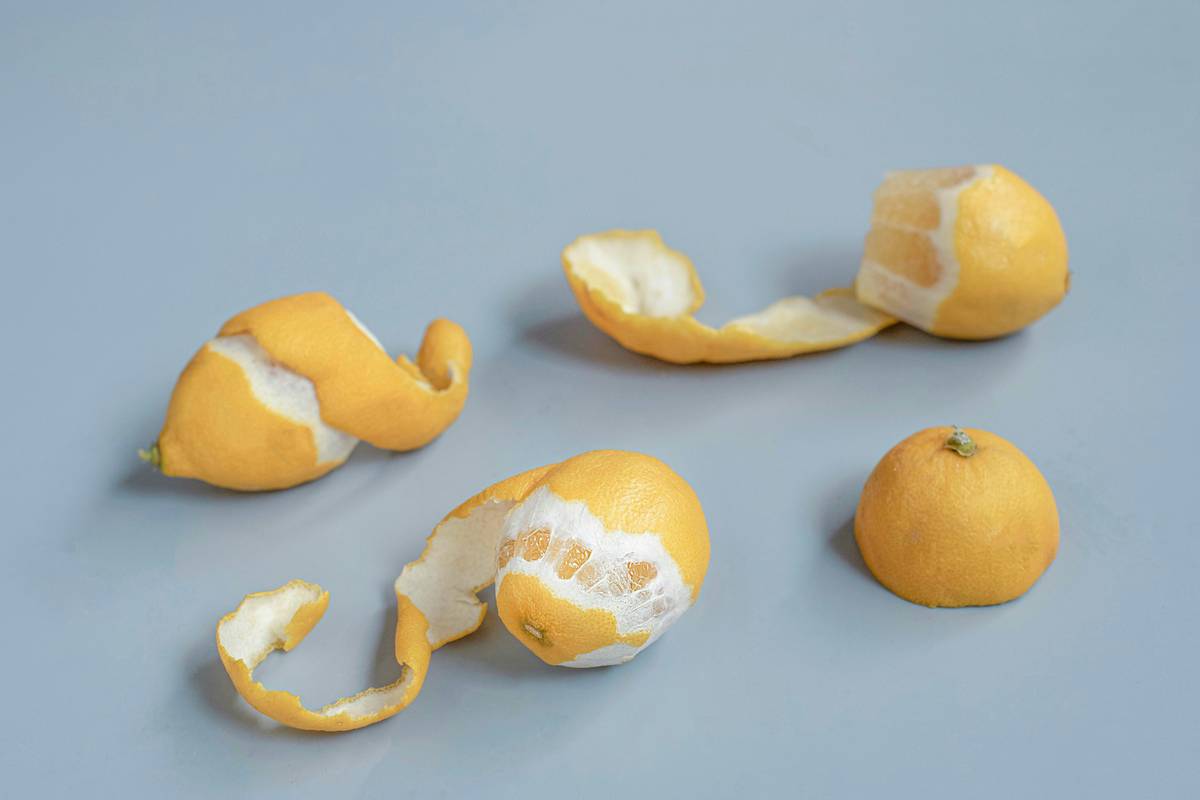
- Clean Counters with 50/50 Vinegar-Water: Wipe daily to erase pheromone trails. Add citrus peels for scent—but skip essential oils near pets.
Terrible Tip Disclaimer: “Sprinkle cinnamon everywhere!” Nope. It smells nice but doesn’t kill or repel ants long-term. Save your Ceylon for oatmeal.
Real-World Success Stories from Sustainable Homes
Case Study #1: Portland, OR Tiny Home
After repeated carpenter ant invasions, homeowner Lena M. combined boric acid bait with exterior diatomaceous earth barriers. Within 5 days, trails vanished. Six months later? Zero recurrence. “I didn’t lose a single heirloom tomato to aphids either—since I didn’t nuke my garden with chemicals,” she reported.
Case Study #2: Austin, TX Kitchen Remodel
During renovation, contractor Marcus sealed all utility penetrations with eco-epoxy before drywall went up. Paired with weekly vinegar wipes and sugar-boric bait stations, his clients haven’t seen an ant in 18 months—even during Texas’ brutal summer swarms.
These wins prove that **consistency beats intensity**. One-off sprays fail. Integrated, gentle pressure wins.
FAQ: Natural Ways to Control Ants
Does vinegar kill ants?
No—it temporarily masks pheromone trails so ants get confused, but it doesn’t kill them or affect the colony. Use it for cleaning, not control.
Is boric acid safe around pets?
In bait form (low concentration, placed out of reach), yes. But never leave powder loose. If ingested in large amounts, it can cause vomiting or diarrhea in dogs. Keep baits elevated or in pet-proof containers.
How long does natural ant bait take to work?
3–7 days. Killing the queen takes time because workers must carry the toxin back repeatedly. Don’t disturb trails during this period!
Can I use baking soda and sugar?
No scientific evidence supports this. Baking soda doesn’t kill ants—it’s a myth amplified by social media. Stick to proven boric acid formulas.
What if I have carpenter ants?
They prefer protein. Use a bait of ¼ cup honey + ¼ cup tuna water + 1 tsp boric acid. Also inspect for moisture-damaged wood—they nest in wet structural timber.
Conclusion
Natural ways to control ants aren’t about magic potions—they’re about understanding ant behavior and disrupting it strategically. By using a low-dose boric acid bait, sealing entry points, and maintaining clean surfaces, you can eliminate colonies permanently without risking your family’s health or the planet’s.
Remember: the goal isn’t just to remove ants from your counter—it’s to make your home unwelcoming to future scouts. Consistency, patience, and the right recipe beat chemical warfare every time.
Now go reclaim your kitchen—one non-toxic bait station at a time.
Like a Tamagotchi, your ant-free home needs daily care: wipe, seal, bait, repeat.