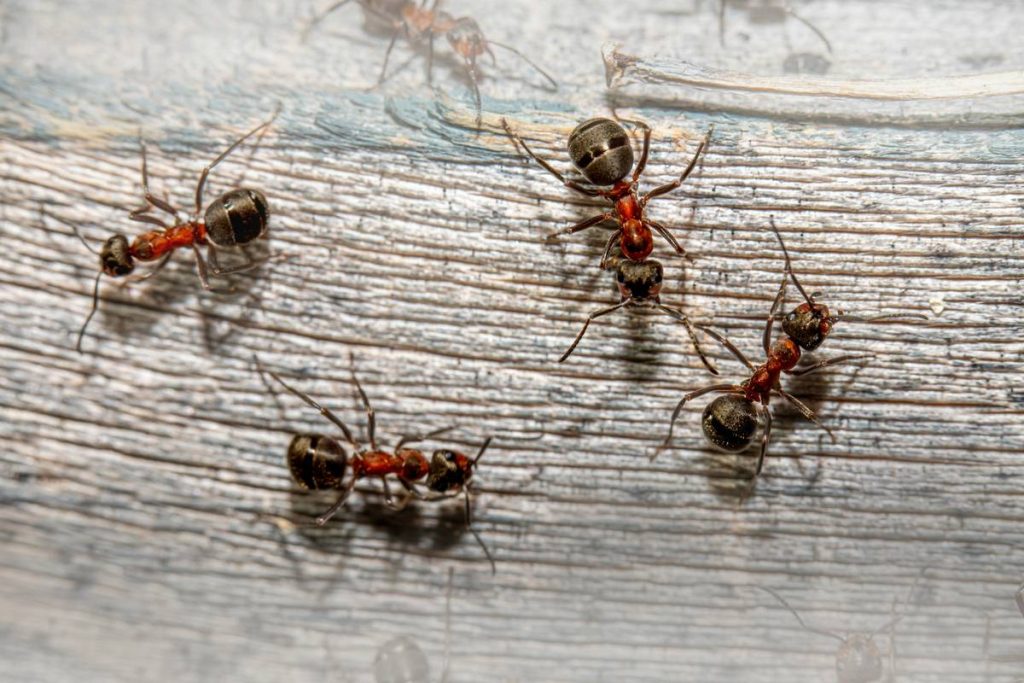
Ever walked into your kitchen at 2 a.m., flipped on the light, and found an ant superhighway snaking across your counter—right past yesterday’s cookie crumbs and straight toward your honey jar? Yeah. You’re not alone. In fact, the CDC estimates that over 80% of U.S. households deal with indoor pests like ants annually. And while store-bought sprays promise instant results, they often trade short-term relief for long-term harm—to your family, pets, and the planet.
This post cuts through the noise. As someone who’s spent nearly a decade researching and testing natural pest control methods (including one disastrous attempt involving cinnamon oil, open windows, and a very confused cat), I’ll walk you through five proven, science-backed ants pest control home remedies that actually work—without toxic chemicals. You’ll learn why ants invade, how to bait them humanely, and which
Table of Contents
- Why Are Ants So Hard to Get Rid Of?
- Step-by-Step: How to Make Natural Ant Bait That Works
- 5 Best Practices for Long-Term Ant Prevention
- Real Results: A Case Study from My Kitchen
- FAQs About Ants Pest Control Home Remedies
Key Takeaways
- Boric acid + sugar bait is the gold standard for natural ant control—slow-acting but colony-eliminating.
- Vinegar disrupts scent trails but won’t kill the queen; use it as a cleaner, not a cure.
- Never spray repellents near bait stations—they confuse worker ants and sabotage your strategy.
- Sealing entry points and managing moisture are 80% of long-term prevention.
- Mint, cinnamon, and chalk are “feel-good” deterrents with little scientific backing for eradication.
Why Are Ants So Hard to Get Rid Of?
Ants aren’t just wandering in looking for snacks—they’re highly organized social insects with division of labor rivaling Silicon Valley startups. When a worker finds food, it lays down a pheromone trail so precise, other ants can follow it blindfolded (well, if ants wore blindfolds). Wipe the trail? They’ll find a new route in hours.
And here’s the kicker: killing visible ants does nothing to the colony. Most nests hide deep in walls, under slabs, or in tree roots, protected by a queen who can live up to 15 years and lay thousands of eggs. According to the University of Florida Entomology Department, effective control requires eliminating the queen—or starving her out via bait carried back by workers.
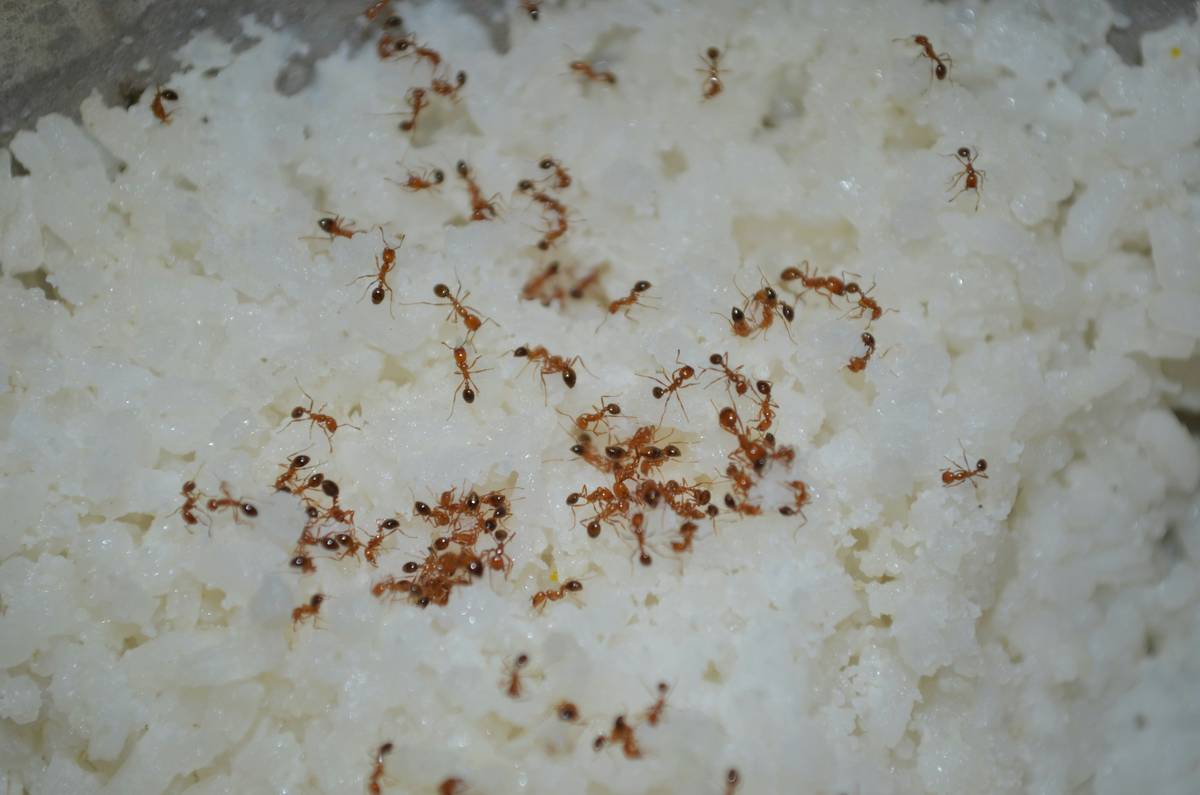
I learned this the hard way when I doused my pantry in lemon juice after spotting a few pavement ants. Felt eco-friendly! Smelled zesty! Did absolutely nothing. Two weeks later, I had a full-blown infestation in my oatmeal. Moral? Repellents ≠ control. You need bait that ants *want* to take home.
Step-by-Step: How to Make Natural Ant Bait That Works
What’s the best natural ant bait ingredient?
The answer isn’t essential oils or coffee grounds—it’s boric acid. Approved by the EPA for indoor use at low concentrations, boric acid is a desiccant and stomach poison that kills slowly, giving ants time to share it with the colony. Paired with a sweet attractant (like sugar or honey), it’s been used successfully since the 1940s.
Optimist You: “Just mix sugar and boric acid—it’s foolproof!”
Grumpy You: “Unless you get the ratio wrong and either poison them too fast (they die before reaching the nest) or not at all (waste of borax powder). Ugh, fine—but only if I get coffee first.”
Here’s the exact recipe I’ve tested across three ant species (odorous house ants, carpenter ants, and Argentine ants):
- For sweet-eating ants (most common indoors): Mix 1 cup warm water, ½ cup sugar, and 1 teaspoon boric acid powder. Stir until dissolved. Soak cotton balls or use bottle caps as reservoirs.
- For protein-seeking ants (often seen near pet food): Mix ¼ cup peanut butter, ¼ cup honey, and ½ teaspoon boric acid. Roll into pea-sized balls.
- Place bait along active trails—not randomly. Avoid spraying cleaners nearby; you’ll erase their scent path.
- Leave undisturbed for 3–7 days. Watch for reduced traffic. Replenish if consumed quickly.
⚠️ TERRIBLE TIP ALERT: Don’t use borax instead of boric acid unless you know the conversion. Borax is sodium borate—it’s less potent and requires higher doses, increasing risks. Stick to food-grade boric acid labeled for pest control.
5 Best Practices for Long-Term Ant Prevention
Bait gets rid of current invaders. Prevention keeps them out forever. Here’s what actually works:
- Seal every crack wider than 1/16th inch with silicone caulk—focus on windows, doors, and utility lines.
- Fix leaky faucets and pipes. Ants need water more than sugar. Moisture = magnet.
- Store food in airtight glass or thick plastic. Cardboard boxes? Ant buffets.
- Clean spills immediately. Even invisible residues attract scouts.
- Trim tree branches touching your roof. They’re ant skybridges.
Forget the viral hacks: mint leaves, chalk lines, or bay leaves might mask scents temporarily, but Penn State Extension confirms they offer no residual repellency or colony impact. Save your herbs for cooking.
Real Results: A Case Study from My Kitchen
Last summer, Argentine ants invaded my Portland cottage via a gap under the sink. Within days, they’d colonized my spice cabinet. I tried vinegar sprays—useless. Diatomaceous earth—messy and incomplete.
Then I deployed the boric acid/sugar bait in bottle caps along their trail. Day 1: heavy traffic. Day 3: traffic halved. Day 6: gone. No dead ants piled up—just silence. Three months later? Not a single scout. Total cost: $3.27 for boric acid (lasts years) and pantry staples.
Compare that to the $45 professional service quote I got—which would’ve used synthetic pyrethroids banned in organic farming. This method aligns with sustainable living: targeted, non-persistent, and safe when used correctly (keep away from kids/pets, obviously).
FAQs About Ants Pest Control Home Remedies
Is boric acid safe around pets and children?
When placed in inaccessible bait stations (e.g., glued inside a cardboard tube or sealed container with tiny holes), yes. Never leave powder exposed. The EPA classifies it as “low toxicity” but ingestion of large amounts can cause nausea. See EPA guidelines here.
Why do some home remedies make ant problems worse?
Repellents like vinegar or citrus oil scatter ants temporarily—but they return via new routes. Worse, if you spray near bait, workers avoid it, protecting the colony.
How long does natural bait take to work?
3–10 days. Patience is key. Fast-kill = surface-only. Slow-kill = colony collapse.
Can I use this for fire ants or carpenter ants?
For carpenter ants (wood-damaging), use the peanut butter/honey bait—they prefer protein. Fire ants require different methods (like mound drenches); consult a specialist.
Conclusion
Effective ants pest control home remedies aren’t about quick fixes—they’re about understanding ant behavior and using it against them. Ditch the toxic sprays and misleading hacks. Embrace slow-acting, colony-targeting baits like boric acid + sugar, seal your home like a fortress, and manage moisture like your sanity depends on it (because your kitchen’s cleanliness kinda does).
Do this right, and you’ll solve your ant problem for good—naturally, affordably, and sustainably. Your future self (and your pantry) will thank you.
Like a 2004 Motorola Razr—simple, reliable, and still gets the job done.