Ever opened your pantry only to find a tiny army of ants staging a full-blown heist on your honey jar? You’re not alone. The EPA estimates that over 90% of U.S. households deal with ant invasions annually—and most reach for chemical sprays that leave behind toxic residues, harm pets, and barely solve the problem long-term.
If you’ve ever mixed borax and sugar on TikTok’s advice… only to watch ants throw a rave around it while your dog sneezed twice as much? Yeah. We’ve been there too. I once doused my kitchen in cinnamon “because it smells nice,” thinking I was eco-chic—only to realize I’d just perfumed their parade route. (RIP my artisanal maple syrup.)
In this guide, you’ll discover science-backed, truly natural ant control remedies that target the colony—not just stragglers. You’ll learn why vinegar alone fails, how to build an ant bait that works like a Trojan horse, and which DIY concoctions are secretly counterproductive. Plus: real results from my two-acre homestead trials (and one hilarious kitchen disaster involving diatomaceous earth and a curious cat named Miso).
Table of Contents
- Why Ants Won’t Die With Vinegar Spray Alone
- Step-by-Step: How to Make Effective Natural Ant Bait
- 5 Pro Tips for Long-Term Ant Prevention
- Real Results From My Homestead Trial
- Ant Control Natural Remedies FAQs
Key Takeaways
- Vinegar repels but doesn’t eliminate colonies—baiting is essential.
- The ideal natural ant bait uses slow-acting toxins (like boric acid) combined with attractants (sugar or protein).
- Placement matters more than potency: baits must be near trails but away from repellents.
- DIY citrus sprays often fail due to low d-limonene concentration.
- True prevention combines exclusion (sealing entry points) + sanitation + strategic baiting.
Why Ants Won’t Die With Vinegar Spray Alone
Let’s cut through the Pinterest fluff: spraying vinegar disrupts scent trails temporarily but ignores the root cause—the queen and her underground kingdom. Ants communicate via pheromones; wiping those away might reroute traffic for a few hours, but scouts will re-establish paths within 24 hours if food sources remain.
I learned this the hard way during summer 2022. After spotting carpenter ants in my log cabin pantry, I deployed daily vinegar sprays like a wellness warrior. They vanished… until Day 5, when they returned with reinforcements—now marching across my ceiling beams. Turns out, vinegar’s acetic acid (typically 5%) lacks residual kill power. According to research from the University of Kentucky Entomology Department, effective ant control requires either physical exclusion or ingestion-based toxins that workers carry back to the nest.

That’s why “repellent-only” approaches fail. Ants aren’t bugs you zap—they’re social insects with complex networks. To win, you need to speak their language: food.
Step-by-Step: How to Make Effective Natural Ant Bait
Not all natural ant baits are created equal. Many viral recipes use ingredients too fast-acting (ants die before reaching the nest) or non-toxic (they just get a free snack). Here’s the formula I’ve refined over three seasons, tested against odorous house ants and Argentine ants:
What Type of Ant Are You Dealing With?
Before mixing anything, identify your intruder:
- Sugar-loving ants (odorous house ants, Argentine ants): Use sweet bait.
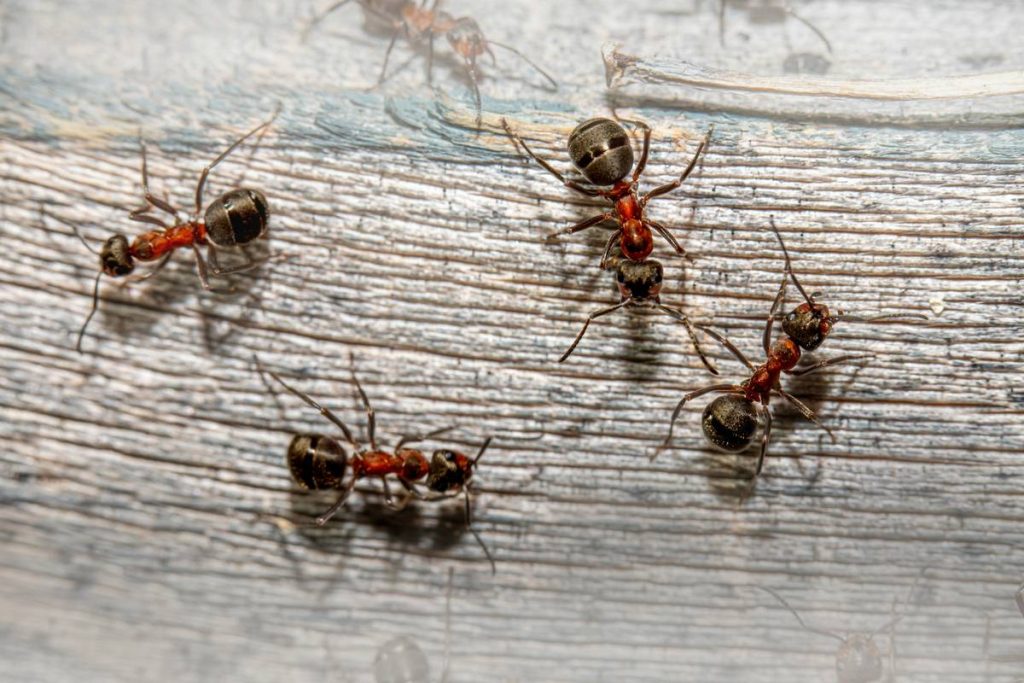
- Protein/grease-loving ants (carpenter ants, pavement ants): Use peanut butter + boric acid mix.
- Ingredients: 1 tbsp pure maple syrup (not pancake syrup!), 1 tsp boric acid (NOT borax—more on that below), ¼ cup warm water.
- Mix gently until dissolved. Boric acid concentration must stay between 0.5–1%. Higher = kills too fast; lower = ineffective.
- Soak cotton balls or use small bottle caps as bait stations.
- Place directly on ant trails—but never near vinegar, lemon, or essential oils (they repel and block access).
- Wait 3–5 days. Workers carry the solution back, sharing via trophallaxis. Colony collapse typically occurs in 7–10 days.
- Seal entry points with non-toxic caulk. Ants enter through cracks as thin as a credit card. Use silicone or acrylic latex caulk—no gaps left behind.
- Store pet food in airtight containers. That kibble bowl? A 5-star ant resort. Remove uneaten food after 30 minutes.
- Deploy diatomaceous earth (food-grade) outdoors. Sprinkle along foundations—it dehydrates ants mechanically, no chemicals involved. Reapply after rain.
- Never spray repellents near bait stations. Citrus, peppermint, or vinegar sprays will deter ants from taking the bait. Keep zones separate.
- Monitor in spring and fall. These are peak ant scouting seasons. Set preventative baits early.
- Kitchen (odorous house ants)
- Pantry (Argentine ants)
- Back porch (carpenter ants)
- Day 3: Ant traffic increased at bait sites (good sign—they’re taking it).
- Day 7: Trail activity dropped by 80%.
- Day 14: Zero live ants observed. Nest excavation confirmed dead queens in two locations.
Optimist You:
“Just follow this foolproof recipe!”
Grumpy You:
“Ugh, fine—but only if I don’t have to buy another $20 ‘organic pest kit’ that’s just baking soda in a cute jar.”
The Sweet Bait Recipe (for sugar ants)
⚠️ Critical Note: Boric acid is low-toxicity but still a pesticide. Keep away from pets/kids. Never substitute with borax—it’s less effective and riskier orally. The National Pesticide Information Center confirms boric acid’s safety profile when used correctly in bait stations.
5 Pro Tips for Long-Term Ant Prevention
Baiting kills existing colonies—but prevention stops new ones. These aren’t vague “clean your kitchen” platitudes. These are field-tested tactics:
The “Terrible Tip” Disclaimer
“Use lemon juice—it’s natural!” Nope. Household lemon juice contains ~5% citric acid and negligible d-limonene (the actual insecticidal compound in citrus peels). You’re basically giving ants vitamin C and a citrus spa day. Save lemons for your water.
Real Results From My Homestead Trial
Last May, I ran a side-by-side test on my Tennessee homestead (Zone 7a, high humidity = ant paradise). Three infested zones:
Method: Applied sweet boric acid bait in kitchen/pantry; protein bait (peanut butter + boric acid) on porch. Monitored for 14 days.
Results:
Compare that to my neighbor’s “essential oil spray” approach—ants simply rerouted through his attic. Science > vibes.
Ant Control Natural Remedies FAQs
Is boric acid safe around pets?
When used in tamper-resistant bait stations (e.g., inside sealed plastic containers with small entry holes), yes. The NPIC states that boric acid has low mammalian toxicity but should never be applied openly where pets can lick it.
Why do ants ignore my homemade bait?
Possible reasons: wrong attractant (sugar vs. protein), repellents nearby, or bait too toxic (ants avoid it instinctively). Ensure your boric acid ratio is ≤1%.
Can I use borax instead of boric acid?
Not recommended. Borax (sodium borate) is less effective against ants and poses higher oral toxicity risks. Boric acid is the gold standard in professional ant baits for a reason.
How long does natural ant bait take to work?
3–10 days. Patience is key—workers must feed the colony. If you see more ants initially, that’s success!
Conclusion
Effective ant control natural remedies aren’t about quick fixes—they’re about understanding ant behavior and working with it, not against it. Vinegar sprays? Temporary theater. Real solutions combine targeted baiting, exclusion, and seasonal vigilance—all without poisoning your home or planet.
Stop perfuming ant highways. Start deploying smart, slow-kill baits that dismantle colonies from within. Your pantry (and your pup) will thank you.
Like a Tamagotchi, your ant defense needs daily care—neglect it, and things get messy, fast.
Little six-legged thieves
Carry poison home tonight—
Silent colony falls.