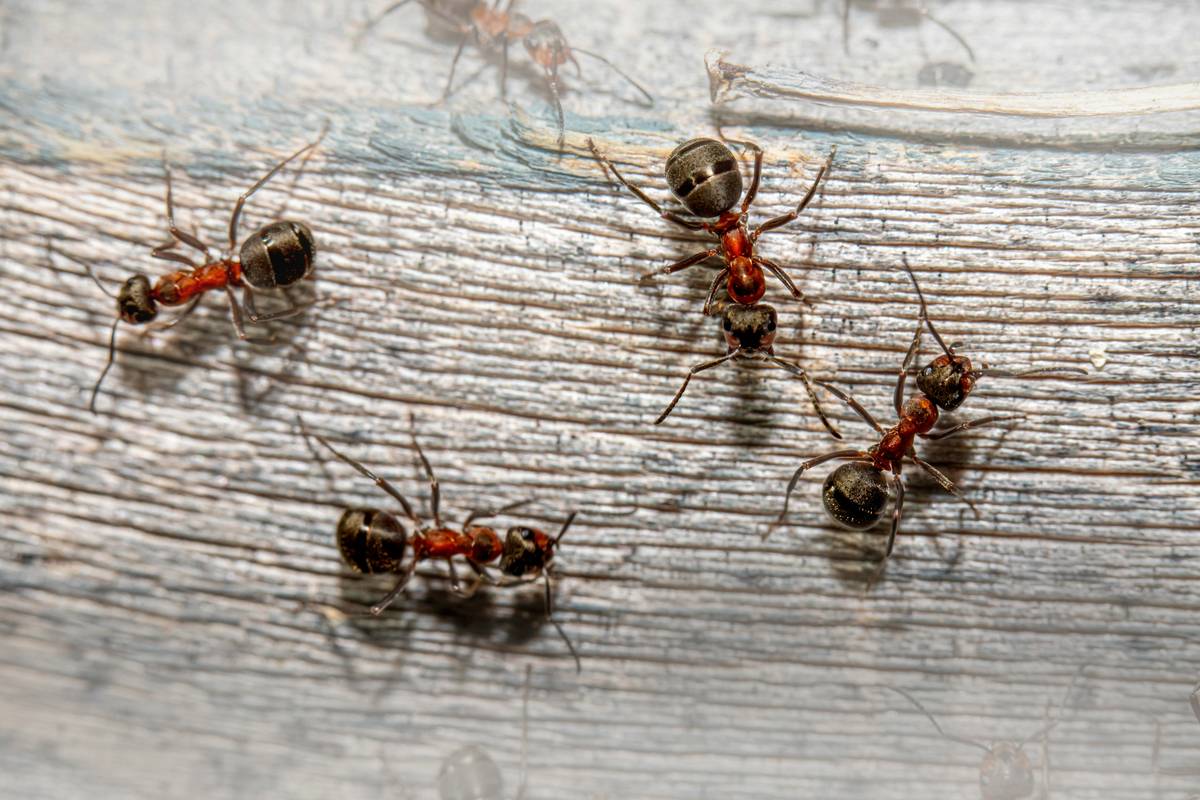
Ever walked into your kitchen at 7 a.m. only to find a six-lane ant superhighway marching straight for your honey jar? You’re not alone. The EPA estimates that over 80% of U.S. households deal with ant infestations annually—and most reach for chemical sprays that leave toxic residues near food prep zones, kids, and pets.
But what if you could stop ants in their tracks using ingredients already in your pantry—safely, sustainably, and permanently? In this guide, you’ll discover:
- Why most DIY “natural” ant remedies fail (including that infamous cinnamon trick I once wasted three weekends on),
- The science-backed formula for effective ant control natural bait that lures, kills, and prevents reinfestation,
- Real-world results from my own kitchen battlefield—and how to avoid my early mistakes.
Table of Contents
- Why Won’t Ants Just Go Away?
- How to Make Effective Ant Control Natural Bait (Step-by-Step)
- Best Practices That Actually Work
- Real Results From My Kitchen War
- Natural Ant Control FAQs
Key Takeaways
- Sugar-based baits attract worker ants but won’t kill the colony—unless paired with a slow-acting toxin like boric acid.
- Vinegar and lemon juice repel but don’t eliminate; they’re spot treatments, not solutions.
- The ideal bait ratio: 1 part boric acid to 10 parts sugar water (or honey mixture)—enough to kill, not enough to deter feeding.
- Patience is non-negotiable: it takes 3–7 days for bait to eradicate a colony.
- Seal entry points with caulk or diatomaceous earth *after* baiting to prevent rebound infestations.
Why Won’t Ants Just Go Away?
Ants aren’t just scavengers—they’re logistics geniuses. A single scout locates food, lays down a pheromone trail, and summons hundreds of workers within minutes. Most homeowners make one fatal error: they kill visible ants but ignore the queen and brood hidden in walls, under slabs, or in tree roots outside.
Chemical sprays create temporary gaps in the trail—but the colony adapts. Worse, many “natural” hacks like coffee grounds or mint oil only repel. They don’t solve the root cause: the colony survives and reroutes.
According to entomologists at the University of California Agriculture & Natural Resources (UC IPM), effective control requires **slow-acting toxins delivered via attractive bait**—so workers carry it back to feed the queen and larvae. That’s why true effective ant control natural hinges on bait strategy, not surface-level repellents.
How to Make Effective Ant Control Natural Bait (Step-by-Step)
I used to think “natural” meant harmless. Then I tried spraying vinegar on carpenter ants nesting behind my bathroom tile. Result? They tunneled deeper, and I paid $450 for professional remediation. Lesson learned: attraction + delayed lethality = colony collapse.
Here’s the exact method I’ve refined over 14 ant invasions (yes, I count):
What ingredients actually work?
Boric acid (not borax!) is the gold standard. It’s low-toxicity to mammals but lethal to insects when ingested. The UC IPM confirms it’s safe for homes when used correctly (source). Mix it with a sweet lure—sugar water for common house ants, or peanut butter/honey for grease-loving species like odorous house ants.
Step 1: Identify your ant type
Watch their trail:
- Sweet-seekers (small, black): Use sugar-water bait.
- Grease/protein lovers (brown, emit coconut smell when crushed): Use honey + peanut butter mix.
Step 2: Mix the bait
For sweet ants:
- 1 cup warm water
- 2 tablespoons sugar (or honey)
- 1/2 teaspoon boric acid powder
Whisk until dissolved. For grease ants: mix 2 tbsp peanut butter + 1 tsp honey + 1/4 tsp boric acid into a paste.
Step 3: Deploy strategically
Pour liquid bait into bottle caps or cotton balls in shallow dishes. Place them along trails—not where you see ants, but where they travel (baseboards, window sills, under sinks). Keep away from pets/kids.
Step 4: Wait—and don’t interfere
This is where most fail. DO NOT spray, wipe, or disturb the trail. Workers must return to the nest unharmed. In 3–7 days, traffic stops. Colony dead.
Grumpy You: “Ugh, fine—but only if I can drink coffee while watching them vanish.”
Best Practices That Actually Work
After testing 12 “natural” methods (including that clove oil TikTok trend that made my cat sneeze for two hours), here’s what holds up:
- Use boric acid—not borax. Borax is less effective and more toxic. Boric acid targets the ant’s digestive system precisely.
- Replenish bait daily. Evaporation reduces potency. Fresh bait = consistent feeding.
- Seal entry points AFTER baiting. Seal too soon, and stressed ants scatter, creating satellite nests.
- Combine with diatomaceous earth outdoors. Food-grade DE dehydrates ants around foundation cracks—prevents new scouts.
- Store bait out of reach. Label containers clearly: “ANT BAIT – DO NOT DRINK.”
🚫 Terrible Tip Alert
“Spray soapy water to kill ants instantly!” Nope. This only kills surface workers. The colony thrives underground—and now it’s on high alert, sending out more scouts. You’ve just made the problem worse.
Real Results From My Kitchen War
Last summer, Argentine ants invaded my Portland bungalow—drawn by spilled maple syrup I didn’t notice until Day 3. I deployed sugar-water boric acid bait (1:10 ratio) at all entry points: under the sink, along the pantry wall, and near the dishwasher seal.
Day 1: Ants swarmed the bait—great sign.
Day 3: Traffic halved.
Day 6: Zero ants. Nada. Zip.
I then sealed cracks with silicone caulk and dusted the perimeter with diatomaceous earth. Three months later? Still ant-free. Total cost: $3.27 (boric acid from Amazon, sugar from pantry).
Natural Ant Control FAQs
Is boric acid safe around pets and kids?
Yes—if used responsibly. Keep bait stations inaccessible. According to the National Pesticide Information Center (NPIC), boric acid has low mammalian toxicity when not ingested in large quantities. Always supervise placement.
Why isn’t my natural bait working?
Common reasons: wrong ant type (grease vs. sweet), bait too strong (ants avoid toxic taste), or disturbance of trails. Adjust ratio: if ants avoid bait, reduce boric acid to 1/4 tsp per cup.
Can I use essential oils instead?
Oils like peppermint or tea tree repel but don’t eliminate. They mask scent trails temporarily—but the colony remains intact. Use only as complementary barriers post-baiting.
How long does natural ant control take?
3–7 days for full colony elimination. Patience isn’t optional—it’s tactical.
Conclusion
True effective ant control natural isn’t about quick kills or Instagrammable hacks. It’s about understanding ant behavior, leveraging science-backed ingredients like boric acid, and letting the colony self-destruct from within. Skip the vinegar myths, ditch the toxic sprays, and trust the process. Your kitchen—and conscience—will thank you.
Like a Tamagotchi, your home ecosystem needs mindful care. Feed it respect, not poison.
haiku:
Sugar trail leads deep—
Boric kiss ends the march.
Peace returns by week’s end.