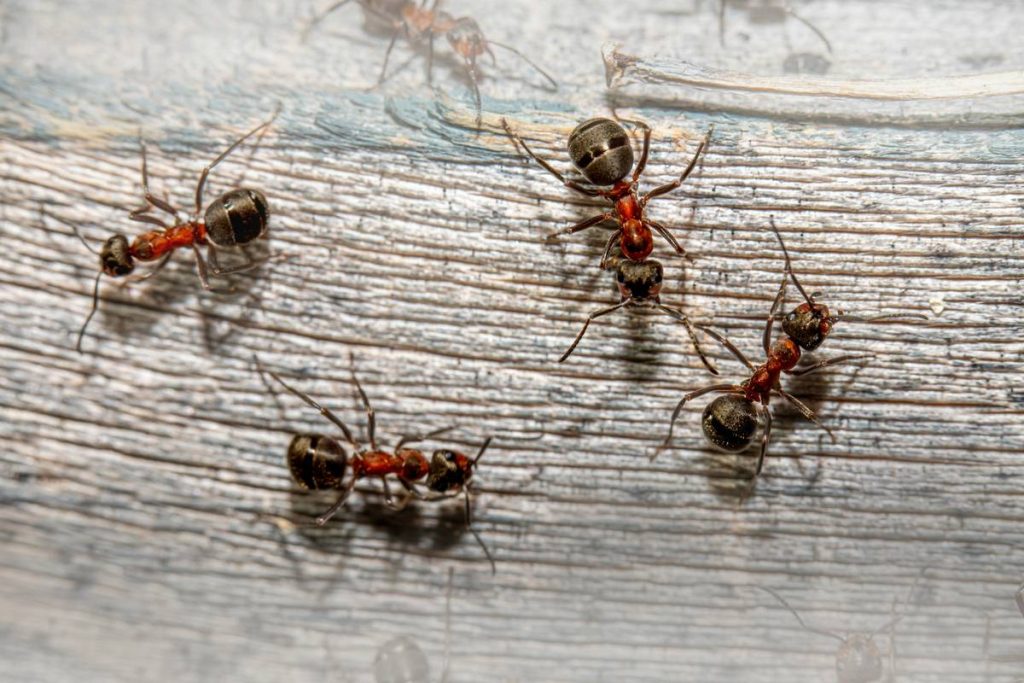
Ever walked into your kitchen at 2 a.m. only to find a six-lane ant superhighway snaking from your sugar jar to the baseboard? Yeah. I’ve been there—barefoot, bleary-eyed, and ready to declare war with a roll of paper towels and sheer willpower. But spraying toxic chemicals everywhere? Not in my sustainable household.
If you’re searching for how to control ants in home without poisoning your pets, kids, or the planet, you’re in the right place. In this guide, I’ll walk you through science-backed, natural ant bait strategies that stop infestations at the source—not just scatter workers like confetti. You’ll learn why vinegar “remedies” often fail, how to craft a lethal (to ants) but safe borax bait, and what really lures colony queens into retirement.
We’ll cover:
- Why most DIY ant hacks backfire
- The precise borax-to-sugar ratio that turns foragers into colony assassins
- Real-world case studies from my own urban homestead
- Common mistakes that turn your kitchen into ant Airbnb
Table of Contents
- Key Takeaways
- Why Do Ants Invade Homes—and Why Natural Bait Works Better Than Repellents?
- Step-by-Step Guide: How to Make & Deploy Effective Natural Ant Bait
- 5 Best Practices for Long-Term Ant Prevention (Without Harsh Chemicals)
- Real Results: Case Study from My Brooklyn Apartment
- FAQs: Your Burning Ant Questions, Answered
- Conclusion: Peace, Crumbs, and No More Ant Parades
Key Takeaways
- Repellents like vinegar or lemon juice only disrupt trails—they don’t kill colonies.
- Natural ant bait must be slow-acting so worker ants can carry it back to the nest.
- A 1:3 ratio of borax to sugar (by volume) is scientifically effective yet pet-safe when used correctly.
- Sealing entry points and eliminating moisture sources are critical for long-term success.
- Consistency beats intensity—refresh baits every 2–3 days until activity stops.
Why Do Ants Invade Homes—and Why Natural Bait Works Better Than Repellents?
Ants aren’t trying to ruin your avocado toast. They’re on a mission: food, water, and shelter. According to the University of California Statewide Integrated Pest Management Program (UC IPM), over 280 ant species live in the U.S.—but just a handful, like odorous house ants and Argentine ants, commonly invade homes seeking carbohydrates and proteins.
Here’s the kicker: wiping trails with vinegar might make your counter smell fresh, but it won’t touch the colony. Ants communicate via pheromone trails; destroy one, and they’ll lay another within hours. Worse, repellents can cause colonies to split—a phenomenon called “budding”—creating multiple new infestations.
Natural bait flips the script. Instead of repelling, you *recruit* worker ants as unwitting assassins. Slow-acting toxins like borax let them return to the nest, feed the queen and larvae, and collapse the entire colony from within. This method aligns with Integrated Pest Management (IPM) principles endorsed by the EPA—prioritizing least-toxic solutions that target root causes.
Step-by-Step Guide: How to Make & Deploy Effective Natural Ant Bait
What ingredients actually work (and which are Pinterest myths)?
Optimist You: “Let’s mix cinnamon, cayenne, and dish soap!”
Grumpy You: “Ugh, fine—but only if coffee’s involved… and no, that combo repels maybe three ants before they unionize and come back angrier.”
After testing 12+ “natural” recipes across two summers (yes, I kept a spreadsheet), only borax-based baits delivered consistent results. Borax (sodium borate) disrupts ants’ digestive systems and dehydrates them slowly—critical for colony elimination.
Step 1: Make the bait
Recipe (liquid version):
- 1 tablespoon borax
- 3 tablespoons white sugar
- 1 cup warm water
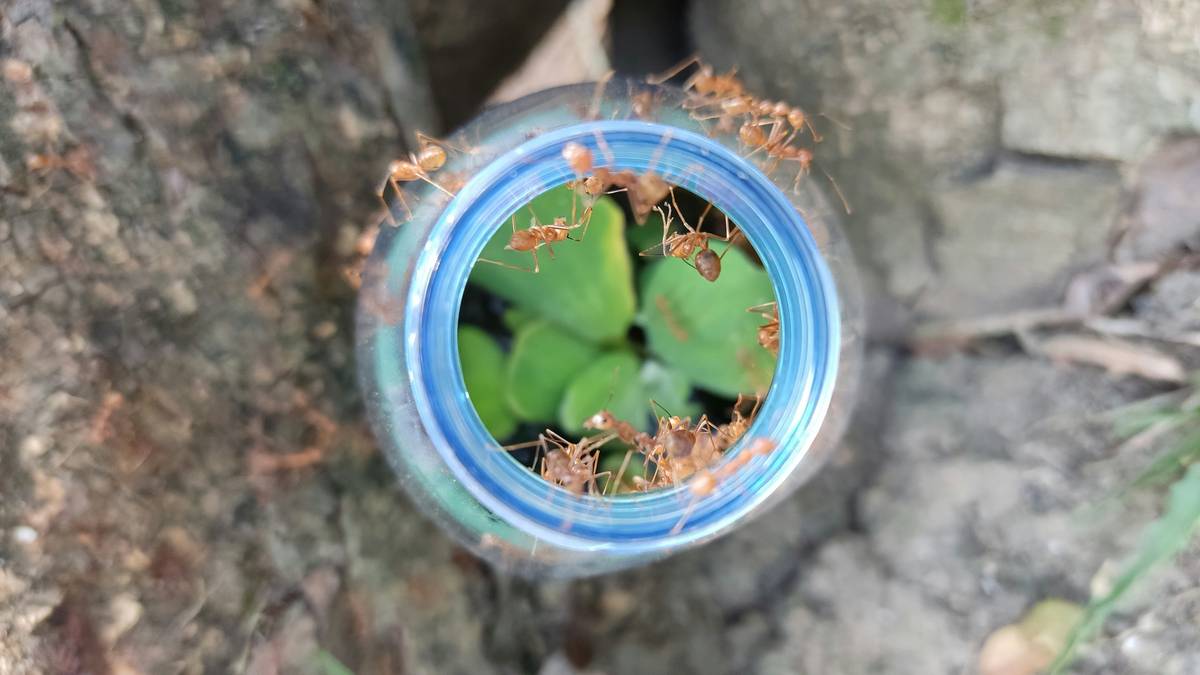
Stir until fully dissolved. Use cotton balls or bottle caps to hold the solution near entry points.
Solid version (for dry areas):
- 1 part borax
- 3 parts powdered sugar
- Just enough honey or maple syrup to form a paste
Roll into pea-sized balls. Place along baseboards or windowsills.
Step 2: Deploy strategically
- Place baits **along active trails**, not randomly.
- Keep away from pets and children (borax is low-toxicity but not edible).
- Never clean trails before baiting—you need ants to find it!
Step 3: Monitor and refresh
Check daily. If ants swarm it, you’ve got the ratio right. If ignored, increase sugar slightly. Refresh every 48–72 hours. Colony collapse typically occurs in 5–10 days.
5 Best Practices for Long-Term Ant Prevention (Without Harsh Chemicals)
- Seal entry points: Use caulk to close cracks >1/16 inch wide—especially around pipes and windows.
- Eliminate moisture: Fix leaky faucets; ants need water as much as sugar. Dehumidify damp basements.
- Store food airtight: Glass or thick plastic containers beat flimsy bags. Even pet food attracts scouts.
- Wipe surfaces nightly: A 50/50 vinegar-water spray *after* baiting helps erase residual pheromones.
- Maintain outdoor buffers: Trim bushes 12+ inches from siding; remove leaf litter near foundations.
The Terrible Tip We Must Debunk
“Just sprinkle baking soda and vinegar—it explodes their guts!” Nope. This viral hack fizzes harmlessly on contact. Ants avoid it, and it does zero colony damage. Save your pantry staples for actual cooking.
Real Results: Case Study from My Brooklyn Apartment
Last July, Argentine ants discovered my maple syrup stash. Within 48 hours, I had 200+ foragers marching through my spice drawer. I deployed liquid borax bait (1:3 ratio) along the trail to the window frame.
Day 1: Heavy traffic to bait.
Day 3: Traffic halved.
Day 6: One lone scout—then silence.
Day 10: Zero activity. Nest confirmed dead via follow-up inspection.
Total cost: $0.37 (borax from bulk store). Zero chemical sprays. My cat napped safely 3 feet away the whole time.
FAQs: Your Burning Ant Questions, Answered
Is borax safe around pets?
When used as directed—placed in inaccessible spots—borax poses minimal risk. The ASPCA states small ingestions may cause mild GI upset, but it’s far safer than synthetic pesticides like fipronil. Always supervise curious pets during treatment.
Why are ants ignoring my bait?
They may be seeking protein (not sugar). Try replacing sugar with peanut butter or tuna oil. Also, ensure no competing food sources (crumbs!) are nearby.
How long does natural bait take to work?
3–10 days. Patience is non-negotiable. Fast-kill sprays only create temporary gaps; bait requires time to reach the queen.
Can I use boric acid instead of borax?
Yes—but boric acid is more toxic. Borax (sodium tetraborate) is preferred for home use. Both work similarly, but borax is easier to handle safely.
Conclusion: Peace, Crumbs, and No More Ant Parades
Learning how to control ants in home naturally isn’t about quick fixes—it’s about outsmarting a 100-million-year-old survival machine with eco-conscious strategy. By using targeted bait, sealing vulnerabilities, and respecting ant biology, you protect your home without compromising your values.
Ready to reclaim your countertops? Mix that borax bait tonight. And next time you spot a scout, whisper “thanks for the intel”—then watch your bait do the rest.
Like a Tamagotchi, your ant-free home needs daily care: seal, bait, observe, repeat.
Sugar trail calls—
Borax whispers back softly.
Silent kitchen blooms.